La aceleración de los proyectos de energía renovable variable en la zona norte y el plan de retiro de centrales a carbón, están creando una oportunidad importante para el desarrollo de los sistemas de almacenamiento.
Daniela Tapia
Fuente: Revista Nueva Minería y Energía – Noviembre 2020
Caracterizada por la alta penetración de energías renovables en los últimos 10 años, la transición energética chilena ha tenido diversos impactos, entre ellos la reducción de costos de producir electricidad, diversificación de la matriz energética, entre otros. Pero esto implica crecientes desafíos para los operadores del sistema eléctrico, porque es necesario gestionar la variabilidad instantánea del recurso eólico, así como las rampas de subida y bajada de la generación solar. Es por esto que los sistemas de almacenamiento se han convertido en una herramienta útil y eficiente. Así lo señaló hace un tiempo la vicepresidenta de ACERA, Paola Hartung, a través de una columna de opinión.
Las razones se basan en su rápida respuesta y adaptación, comparativamente con las actuales opciones, a cambios repentinos o programados de la combinación de oferta y demanda del sistema eléctrico. Esta característica de adaptación es la que se denomina “atributo de flexibilidad”. “Por esto es cada vez más común encontrar nuevos proyectos que integran desde su origen sistemas de almacenamiento, complementando a las centrales renovables”, afirmó la ejecutiva en el texto. Varios son los tipos de sistemas de almacenamiento que existen. Los más importantes por su presencia en los sistemas eléctricos son los almacenamientos hidráulicos o pumped storage, donde existen cerca de 9.000 GWh de almacenamiento de este tipo de tecnología
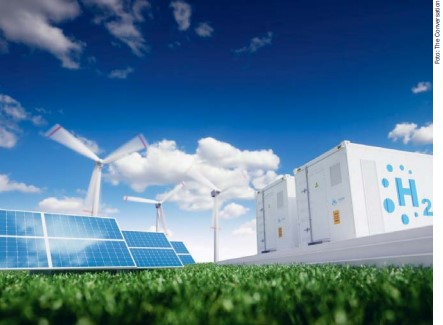
Luego destacan las baterías electroquímicas, que son las más conocidas. De este tipo las más familiares son plomo-ácido, e ion litio que se usan en diversas aplicaciones. Y con usos menos extendidos están los volantes de inercia, los supercondensadores y el aire comprimido. “Un tipo de almacenamiento que creo dará que hablar es el sistema electrolizador-celda de combustible. Dependiendo de los precios relativos de tecnología de hidrógeno, estos sistemas de seguro podrán proveer de almacenamiento con una salida intermedia en forma de hidrógeno”, comenta el profesor asociado del Departamento de Ingeniería Eléctrica de la U. de Santiago, Héctor Chávez. Considerando las ventajas y desventajas de estas alternativas de sistemas de almacenamiento, uno de los aspectos fundamentales que permiten la integración efectiva de estas unidades al sistema eléctrico es la interfaz de electrónica de potencia. “Esta interfaz es la pieza clave para lograr la correcta operación del sistema, y en este sentido, se están realizando importantes desarrollos e innovaciones en las topologías que pueden integrar esta interfaz”, indica Ricardo Lizana, académico de Ingeniería Civil Eléctrica de la Universidad Católica de la Santísima Concepción.
¿En qué estamos en Chile? Según Rodrigo Jiménez, gerente general de Systep Ingeniería y Diseños, los sistemas de almacenamiento eléctrico han tenido hasta ahora un rol secundario en el país. Por ejemplo, en la subestación Andes se instaló en 2009 el primer BESS (Battery Energy Storage System) para proporcionar reserva en giro y maximizar las inyecciones de energía de las centrales de su propietario, instalándose otros BESS en 2011 y 2016, y en el corto plazo se instalará otro en la central Andes. “Sin embargo, aún no existen sistemas de almacenamiento que operen de manera independiente, siendo el primer intento el proyecto Valhalla con una central de bombeo la que se viene promocionando desde 2016. Aunque destacan los proyectos Andes Solar II-B y Campo Lindo, de AES Gener, los que combinan 253 MW de renovables con 112 MW de baterías, que de concretarse, serían un hito para el almacenamiento en Chile”, añade Jiménez.
En tanto, en el ámbito de la transmisión se dio un primer intento de incorporar un sistema de almacenamiento en el proceso de expansión 2017. Pero ello culminó en un retiro de la propuesta de obra, debido a una falta de consenso.
REGULACIÓN EN LA MIRA
Actualmente la normativa 20.936 reconoce legalmente el almacenamiento en el sistema eléctrico. Así, fue en 2016 cuando el gobierno inició su trabajo regulatorio al emitir un reglamento para la operación de centrales de bombeo. El proceso de trabajo continuó al año siguiente con una propuesta de reglamento de potencia, que incluía a los sistemas de almacenamiento y sus distintas categorías. Sin embargo, éste fue retirado tras el proceso de recepción de observaciones durante su consulta pública. Por otra parte, en marzo de 2019, con el reglamento de servicios complementarios se emitió el primer texto legal, que incluye a los sistemas de almacenamiento en todas sus categorías, seguido por el reglamento de coordinación y operación en diciembre del mismo año. “Lo anterior constituyó un primer marco legal para que los sistemas de almacenamiento operen en los mercados de energía y servicios complementarios. De manera similar, actualmente se encuentra una modificación al reglamento de potencia en la Contraloría General de la República, para integrar a los sistemas de almacenamiento en el mercado de potencia”, sostiene el ejecutivo. Pero, según expertos, faltan definiciones más específicas. Para el consultor de Inodú, Jorge Moreno, la Estrategia de Flexibilidad que publicó el Ministerio de Energía en septiembre, definió un plan de trabajo para mejorar diversos aspectos asociados a la regulación que afecta a los sistemas de almacenamiento. “Por el momento, la regulación que se cuenta en Chile es relativamente incompleta. Se está trabajando para dar más certeza a los interesados en el desarrollo de estos sistemas, tanto en aspectos de retribución de capacidad como en la forma en que estos sistemas serán operados en el mercado de la energía”, plantea el especialista. Este punto de vista es compartido por el académico de la U. de Santiago, quien agrega que no existe un reconocimiento de la contribución a la suficiencia del sistema que sea remunerada. “Tampoco se ha avanzado hacia la co-optimización de energía y reservas para obtener precios, según los costos u ofertas declaradas en contraste con el sistema de subastas, ni hacia despachos más granulares para capturar la necesidad intradespacho de flexibilidad, que puede ser satisfecho por sistemas de almacenamiento”, dice el docente.
Jiménez, por su parte, también manifiesta que quedan otros avances por realizar, especialmente en el ámbito de las normas técnicas, dado el vacío que hay para los sistemas de almacenamiento.
UN FUTURO ÓPTIMO
¿Qué se proyecta para esta alternativa de desarrollo energético? El factor más determinante a la hora de propiciar la entrada masiva de sistemas de almacenamiento son los costos de inversión, los cuales han ido descendiendo, y de continuar, los sistemas de baterías o bombeo serán cada vez más competitivos. De hecho, desde 2017 el costo de desarrollo de las baterías de litio se ha reducido de 282 USD/MWh a 132 USD/ MWh (inversión más compra de energía). “Esto presenta un buen antecedente y fija expectativas para el futuro, convirtiéndose en la tecnología de almacenamiento con más desarrollo en la actualidad. A esto se suman otras tecnologías, como hidrógeno o aire comprimido, cuyos desarrollos han sido más tardíos”, comenta Rodrigo Jiménez, de Systep.
Mientras que para Héctor Chávez, una aplicación prometedora es el servicio complementario de rampa flexible (que no existe en Chile), el cual consiste en reservas para evitar que las restricciones de rampa (sobre todo, durante las rampas solares) deriven en el despacho de diésel u otro tipo de generación de alto costo. “Estos servicios de rampa flexible requieren de respuesta rápida y, dependiendo de cómo se establecen las reglas de precios, puede ofrecer remuneración atractiva para el uso de almacenamiento”, determina el profesor universitario. Así las cosas, la aceleración de proyectos de energía renovable variable en la zona norte, el plan de retiro de centrales a carbón, además de la presión por retirar nuevas unidades, están creando una oportunidad importante para el desarrollo de los sistemas de almacenamiento. “También en la medida que se aumenta el mercado de clientes libres, puede haber oportunidades de desarrollo de sistemas de almacenamiento en clientes libres. De esa forma podrán tener más control sobre los retiros de energía y potencia del sistema”, asegura Jorge Moreno, de la consultora Inodú.