La compañía asiática será el principal actor del mercado, en una operación que da cuenta del interés de las empresas de ese país en Chile, en el que ya tienen una presencia importante en rubros como la minería, la alimentación, los vinos y la energía.
Por Tomás Vergara P.
Fuente: El Mercurio – 14 de Noviembre de 2020
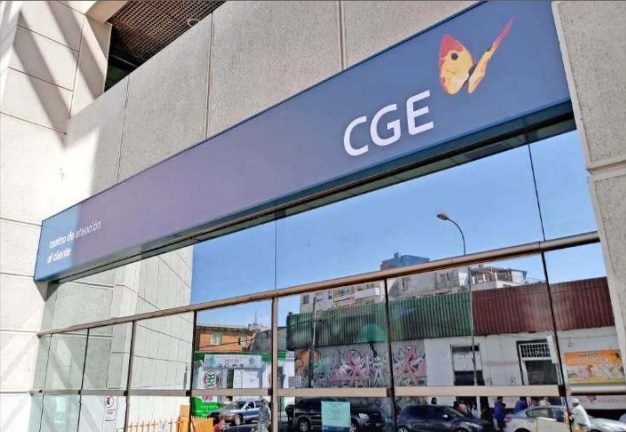
La presencia de las firmas chinas en Chile sigue aumentando, sobre todo en el sector energético. Esto, luego de que ayer se diera a conocer una nueva gran inversión por parte de una empresa de ese país, la compañía estatal State Grid, que acordó con la española Naturgy la compra del 96% de su propiedad en la firma de distribución CGE a cambio de 2.750 millones de euros (unos US$ 3.040 millones).
Se trata de la empresa de distribución de energía con mayor cantidad de clientes en el país, con casi 3 millones (entre residenciales y comerciales regulados), y con una importante presencia en el sector de la transmisión de la energía.
En cuanto al comprador, State Grid, el año pasado había cerrado su ingreso al mercado de la distribución tras adquirir Chilquinta por más de US$ 2.200 millones, por lo que cuando se cierre la operación con Naturgy, luego de las autorizaciones correspondientes, pasará a dominar la industria con un 57% de los clientes a lo largo de todo el país.
De esta manera, las firmas del gigante asiático toman posesión en una industria estratégica como es la eléctrica, pues a esta compra y la de Chilquinta se suma la participación de la también asiática China Southern Power Grid en Transelec (20%). Otros ejemplos en otros sectores como la minería, son la adquisición del 24% de las acciones de SQM por parte de Tianqi, o en la salmonicultura, donde Joyvio adquirió Australis. Sobre los motivos de la venta, según señalaron desde Naturgy, se debería a la estrategia de la compañía de rotar su cartera para centrarse en «países estables» con «monedas fuertes», como el euro, el dólar o la libra esterlina.
A lo anterior se suman los niveles de deuda que presenta la matriz la firma hispana, que informó que la transacción permitirá reducir la deuda neta de la compañía en aproximadamente 4.000 millones de euros hasta los 10.800 millones, gracias a la desconsolidación de la deuda de CGE y a los ingresos en efectivo obtenidos con transacción.
No obstante, en su corta estadía de menos de cinco años en la propiedad de CGE, Naturgy ha enfrentado problemas como el juicio en contra de los ejecutivos por su supuesta responsabilidad en los incendios forestales o la reciente polémica con generadoras por pagos inferiores a estas últimas debido a la caída en la recaudación de las cuentas de los clientes domiciliarios.
«Nuestra inversión en activos, como ya hemos dicho otras veces, debe guiarse por la búsqueda de predictibilidad, estar enfocada en proyectos que sumen a la transición energética y en geografías y marcos regulatorios con mayor estabilidad», comentó el presidente de Naturgy, Francisco Reynés.
Según reveló la compañía ibérica al regulador, el cierre de la transacción está sujeta a las aprobaciones reglamentarias pertinentes, la aprobación de las autoridades de libre competencia y la venta a NII Agencia o a una sociedad relacionada de la participación que CGE posee en su filiar CGE Argentina.
En esta línea, apuntaron a completar el negocio antes de finales de febrero de 2021. En esta operación, Naturgy contó con la asesoría financiera exclusiva de Banchile Citi.
Nuevas Ventas
Junto con la salida de CGE, Reynés dejó abierta la puerta para enajenar otro de los activos que tienen en Chile, que es Metrogas, donde cuentan con una participación de poco más del 60%. El otro socio, Empresas Copec, se encuentra en proceso de desinversión.
Al respecto, en conferencia con analistas, el máximo ejecutivo de la española dijo que la estrategia de rotar los activos «está recién comenzando», por lo que esta no será la única enajenación.
«Vamos a trabajar en el futuro en otras transacciones, porque nuestra estrategia es rotar los activos, pero no hemos fijado un tiempo específico, lo peor que podemos hacer si queremos crear valor, es vender rápido».
Con todo, el anuncio tuvo importante efecto en la valorización de las acciones de CGE, las que ayer cerraron en la Bolsa de Comercio de Santiago con un alza de 137% a $992, con más de $375 millones transados.
En cuanto a los títulos de Naturgy, estos crecieron 7,7% en la Bolsa de Madrid, cotizándose en 19,68 euros cada uno.
Las elevadas cifras de la operación
Si bien la transacción anunciada por el 96% de las acciones de CGE fue a cambio de US$ 3.000 millones, la operación completa considera una valorización del activo de más de US$ 5.100 millones, sumando capital y deuda, ya que State Grid asumirá los pasivos que mantiene a la fecha CGE.
Dichas cifras llamaron la atención del mercado, y es que se trata de un precio que sólo puede ser ofrecido por firmas del gigante asiático.
«Creo que el múltiplo al que se venden los activos de CGE es muy alto (más de 15 Ebitda) y ciertamente parece una operación mejor para el vendedor que para el comprador. Desde un punto de vista puramente de mercado, los múltiplos que paga State Grid parecen muy difíciles de justificar», aseguró el analista de Mediobanca, banco de inversiones italiano.
Por su parte, el gerente general de Systep, Rodrigo Jiménez, apuntó a que una de las razones que podrían explicar dicha valorización, más allá de una alta rentabilidad, es que Chile sea, la vitrina de la compañía para el continente americano, lo que se suma a las posibles sinergias que se pueden lograr de la mano de Chilquinta.
No obstante, el experto señaló que «lo más llamativo es que esta empresa se interesó en CGE y antes en Chilquinta, en un periodo que estamos discutiendo cambios regulatorios importantes. Los grandes desafíos de State Grid y las empresas del sector es que hoy se está realizando el primer estudio de valor agregado de distribución bajo la nueva modalidad, mientras en paralelo se discute toda la reforma de distribución. Este es un proceso nuevo, con una nueva tasa, por lo que se espera que las tarifas específicas de distribución deberían bajar o al menos mantenerse bajo esta nueva modalidad».