Este fue uno de los puntos destacados por Vivianne Blanlot, directora de empresas, durante el conversatorio organizado por la Asociación Chilena de Comercializadores de Energía respecto a la portabilidad eléctrica que se propone para modernizar al sector.
Fuente: Revista Electricidad – 30 de noviembre de 2020
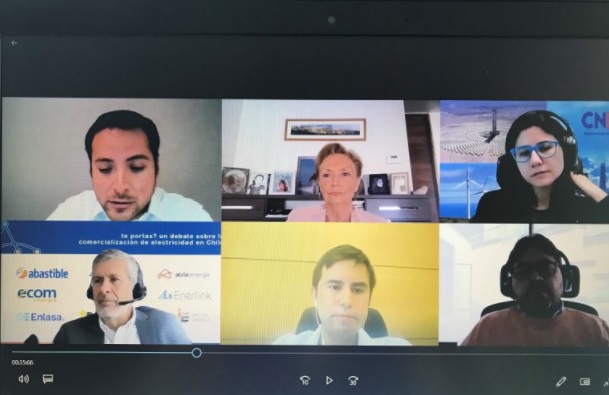
El rol que tendrá la figura del comercializador en el mercado de la distribución fue uno de los principales aspectos vistos en el conversatorio online “¿Te Portas? Un debate sobre la comercialización de electricidad en Chile”, organizado por la Asociación Chilena de Comercializadores de Energía (ACEN), donde se coincidió en los positivos impacto que tendría para la modernización del segmento.
En la conferencia participaron Vivianne Blanlot, directora de empresas; Eduardo Andrade, presidente de ACEN; Aura Rearte, del subdepartamento de Normativa y Regulación del Departamento Eléctrico de la Comisión Nacional de Energía; Alejandro Lucio, ex director ejecutivo de la Asociación Energías Renovables del SER de Colombia, y Pablo Lecaros, gerente Área de Mercados y Regulación de Systep.
Modernización
Blanlot comentó que el comercializador es un elemento clave para modernizar y optimizar la forma en que se consume la energía: “Tengo la convicción que la introducción del comercializador es un elemento de modernización de la estructura de la demanda y de la forma en que los usuarios se relacionan con su consumo y adquieren este bien.
“Hoy en día estos elementos no le son ofrecidos a los consumidores porque básicamente están bajo las redes y la comercialización de las distribuidoras. Tengo el convencimiento de que no es posible que las distribuidoras realmente tengan incentivos para hacer esta misma labor. Eso significa que el comercializador es un ente que puede alterar la relación costo calidad para el cliente. De tal manera que, en términos muy generales, el cliente puede efectivamente elegir el nivel de calidad porque puede optar por ciertos mecanismos que le ofrece el comercializador y que le permite, sin aumentar el costo, aumentar el nivel de calidad que recibe o bien puede reducir su costo consumiendo de otras maneras”, precisó la ejecutiva.
Pablo Lecaros, mencionó que el comercializador da un trato más personalizado, más dedicado al cliente de acuerdo a sus necesidades y abre la posibilidad de algunos servicios de eficiencia como motores o baterías, entre otros, para mejorar la calidad de suministro más allá de lo que pueda hacer el distribuidor.
Por su parte, Eduardo Andrade destacó que las empresas comercializadoras tienen la flexibilidad de capturar los menores costos en cada instante y poder traspasárselos a sus clientes. “Si no hubiera habido competencia en el mercado de los clientes libres, las empresas distribuidoras estarían ofreciendo las mismas tarifas reguladas de siempre y no habría ocurrido la baja de precios que estamos viendo hoy día que puede alcanzar un 20 o 25%. La competencia va a permitir que en cada momento los precios sean los más bajos posible dada las condiciones estructurales que existan en el mercado en ese momento”, señaló.
Separación
Respecto a la separación entre la distribuidora y el comercializador, Alejandro Lucio comentó el caso colombiano, señalando que “desintegrar como una opción de entrada sería el mundo ideal. Esa discusión en Colombia la estamos dando hace 25 años. Deshacer esa integración entre comercialización y distribución es imposible. Estamos trabajando en desintegrar a nivel minorista”.
A juicio de Blanlot, “hay que desintegrar estructuralmente en forma completa, no en forma legal. Debe crearse una figura de un comercializador puro que no esté integrado en forma ninguna con las redes, ni distribución ni transmisión. Por supuesto que eso significa un ahorro porque si no, va a haber que construir un aparato regulatorio y de fiscalización. Son demasiado flancos de riesgos cuando sabemos perfectamente que al final vamos a llegar a un comercializador puro y potente porque eso es lo que vamos a necesitar en el futuro”.
De acuerdo a Lecaros, nivel internacional hay ejemplos mixtos en este tema: “Está el caso de Colombia que tiene integración al día de hoy. En el Reino Unido hay separación entre las licencias de distribución y comercialización, aunque hay algunas distribuidoras que todavía mantienen la comercialización. En España si bien existe la separación en términos legales de que hay un giro exclusivo de distribución, sí se permite el hecho de que un mismo holding pueda tener filiales en todos los segmentos”.
En ese contexto, en la propuesta de Systep se plantea que el comercializador ligado al holding empresarial que es dueño de la distribuidora, “no puede participar en esa misma zona de concesión, pero sí podría hacerlo en el resto del país. La otra alternativa es que se permita que exista esta integración a través de filiales, pero en ese caso y por un tema de dar mayor confianza al sistema en su conjunto, se hace más necesaria la creación de un organismo independiente que concentre la información de cada uno de los clientes de manera que todos los comercializadores tengan el mismo nivel de acceso a la información para ofrecer sus distintas tarifas y contactar a los usuarios. Lo que se busca es justamente dar una mayor confianza en la operación del sistema y evitar que la autoridad sea coaptada por terceros grupos de interés o que el mecanismo distribuidor pueda dar preferencia mediante la calidad de suministro u otras medidas para favorecer al comercializador de su mismo grupo empresarial”, señaló Lecaros.
De acuerdo al presidente de ACEN, la separación estructural es una piedra angular necesaria para este proyecto de ley cumpla su objetivo. En el estudio se señala que la OCDE recomienda en aquellos mercados, donde sea posible, optar por la separación estructural completa.
“Hoy vemos acciones de las empresas distribuidoras que apuntan a dificultar la competencia en el mercado del suministro eléctrico y no hemos visto ninguna acción del Coordinador. Todo ello, nos apunta a que sí hay perjuicio al usuario final en caso que no se opte por la separación estructural. En el estudio se señala que las empresas incumbentes en el mercado de la electricidad atienden primero a los clientes relacionados o demoran la conexión de los clientes no relacionados, entre otros. Para ACEN todo apunta a que la solución óptima es la separación estructural. Tenemos que hacerlo bien ahora porque o sino lo que va a ocurrir es que en 5 o 10 años más vamos a tener que estar de nuevo legislando para tratar de lograr la separación estructural”, subrayó.
Transición
Vivianne Blanlot señaló que la transición para avanzar en esta figura debería concentrarse en hacerlo por bloques, “en la medida que vaya bajando el consumo regulado”.
“Precisamos el tiempo necesario para que se vayan formando estas empresas comercializadoras de calidad. Creo que una gran modernización del mercado eléctrico viene de la mano de la creación del comercializador y de la reducción gradual del límite de los consumidores regulados. Me inclino por un sistema muy liberalizado al que tenemos que llegar en forma relativamente gradual, no lenta, sino que atendiendo a ciertas condiciones de nuestro mercado nada más”. En ese aspecto, Aura Rearte dijo que “queremos que los usuarios residenciales tengan rápidamente acceso a este derecho que estamos generando con la ley y la forma que vemos esto es por zona. Nos parece que este sistema de zonas es el mejor respecto a esos contratos que ya están vigentes”.
Según Andrade, la liberación por zonas no produce un mercado que pueda interesar a las empresas comercializadoras y !no porque no quieran, sino que económicamente no va a haber espacio para que las empresas puedan establecerse. Lo que va a ocurrir en caso de hacer ese tipo de apertura es que la distribuidora relacionada va a seguir distribuyendo porque no hay nadie a quien cambiarse”.
Y precisó: “El ir avanzando en una transición bajando el nivel de potencia es el mecanismo más democrático, afecta en menor grado a los contratos de distribución, permite ir creando una competición fuerte, real en el mercado del suministro, y se puede hacer hoy día sin ningún cambio legal y eso es importante. La gran ventaja adicional es que permite llegar si no directamente al usuario residencial, que ya sabemos que se cambia poco al principio, sí a la pequeña empresa, a las tiendas, a los malls, etc. La pequeña y mediana empresa que es uno de los grandes motores de la economía, indirectamente va a satisfacer necesidades de los usuarios finales y residenciales. Cualquiera que diga que en el corto plazo esto va a poder llegar a los usuarios residenciales en forma masiva no es efectivo”.
Finalmente, con respecto a la subdemanda en los contratos de compraventa de electricidad firmados entre las empresas generadoras y distribuidoras, Andrade indicó que se debería permitir que esa energía “que no está siendo consumida, pueda ser vendida a las empresas de comercialización que andan en la búsqueda de esos contratos de energía con precios competitivos para poder traspasárselos a los clientes. Esa es una de las gracias de la comercialización, la flexibilidad de poder ir buscando esos contratos. Por lo tanto, bienvenida sea esa energía renovable de bajo precio porque de todas maneras va a tener un espacio dentro de los contratos de los comercializadores. En la medida que los comercializadores vayan creciendo van a ir demandando más de esa energía”.