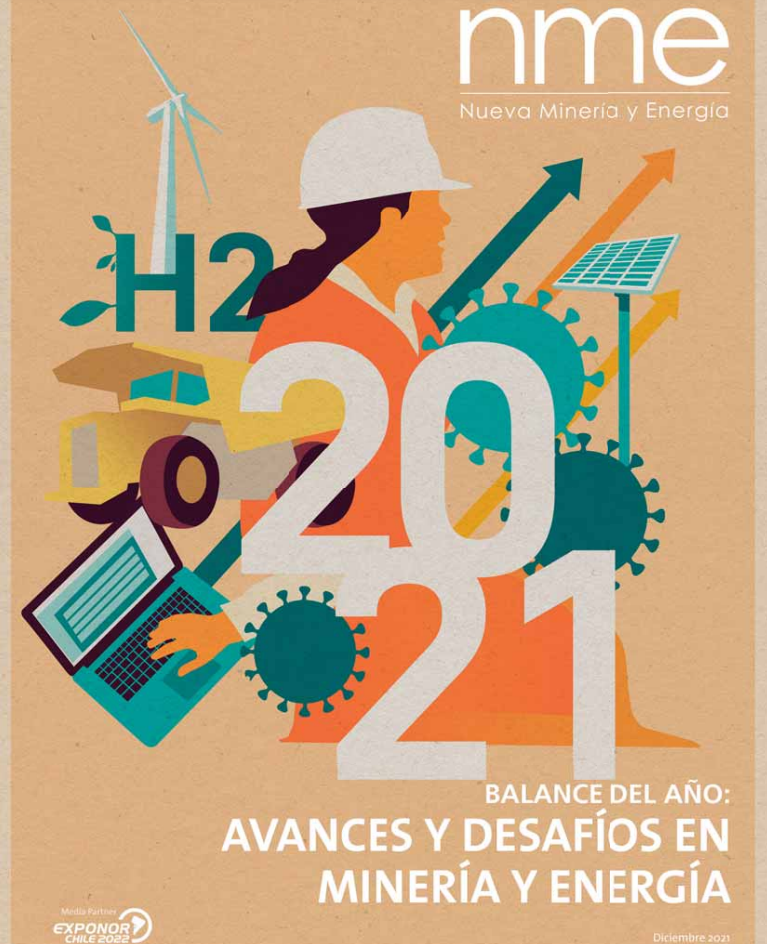
Fuente: Revista Nueva Minería y Energía
Nuestro gerente general, Rodrigo Jiménez, indicó a Revista Nueva Minería y Energía que la descarbonización y la reforma a la distribución serán algunos desafíos que deberá enfrentar la próxima administración.
Descarbonización
Diego Morata, director Centro de Excelencia en Geotermia de los Andes (Cega), comenta que “en Chile la apuesta de varios de los candidatos presidenciales a realmente descarbonizar nuestra matriz energética nos debe dar una luz de ilusión hacia una matriz 100% renovable”.
Por su parte, Gary González, economista de Fundación Terram, explica que “el Plan de Retiro Voluntario de Centrales a Carbón original incorporaba la posibilidad de acogerse a un mecanismo denominado Estado de Reserva Estratégica (ERE), el que permite que (…) éstas continúen como respaldo en una especie de ‘hibernación’. Esta razón, entre otras, genera un verdadero manto de dudas si al 2025 finalmente se apagarán, retirarán o se reconvertirán las 18 unidades comprometidas”.
En tanto, Rodrígo Jiménez, gerente general de Systep, comenta que la descarbonización, “más la gran cantidad de nuevos proyectos renovables, ha creado un ambiente social y político de presión para acelerar el proceso y, concretamente, hoy hay en discusión dos proyectos de ley: uno que prohíbe el funcionamiento de todas las centrales a carbón el 2025 y; otro proyecto que va más allá prohibiendo toda generación en base a combustibles fósiles el 2030”.
Reforma en Distribución
El gerente general de Systep explica que durante 2020 el gobierno expresó su intención de realizar cambios estructurales en la regulación del sector distribución, enfocándose en tres aspectos principales: introducir la portabilidad eléctrica, mejorar la calidad de servicio y fomentar la generación distribuida. “Sin embargo, la contingencia ha detenido esta discusión regulatoria y habrá que esperar qué prioridad le dará la próxima administración”.
Para el director ejecutivo de la Fundación Energía Para Todos, es importante “impulsar modelos de generación distribuida de manera colectiva, mediante cooperativas. Si bien la actualización de la ley 21.118 lo permite, el avance es escaso. El Estado no entrega herramientas para el desarrollo de proyectos, ni siquiera orienta a las organizaciones a poder convertirse en cooperativas eléctricas”.
En la visión de María Isabel González, este desafío se complementa con el “Proyecto de Portabilidad Eléctrica, que es tendencia mundial, ya que con ello se avanzaría a un mercado más simétrico, que permita a los usuarios negociar cláusulas contractuales más equitativas”.