
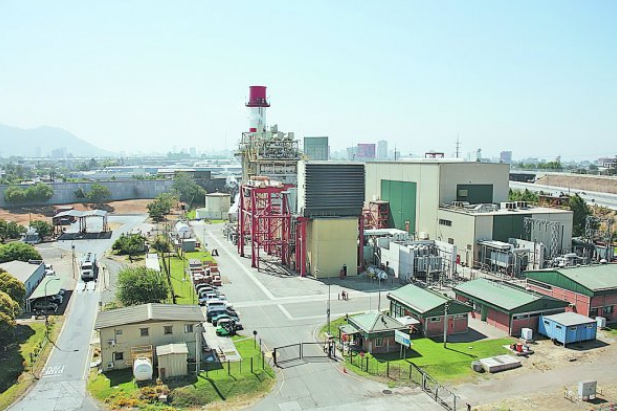
Fuente: Diario Financiero
La CNE y los gremios irán hasta la Cámara de Diputados. Ministro Jobet habría decidido intervenir para controlar la ofensiva.
Los cambios a la norma técnica que regula el gas natural (GNL) para generación eléctrica que inició la Comisión Nacional de Energía (CNE), para intentar corregir algunos efectos que estaría causando la condición de inflexible de este combutible, está escalando en su nivel de discusión.
Esto, porque si bien el debate se viene dando desde el año pasado, cuando la autoridad inició un trabajo para modificar la norma técnica, los cambios están entrando en una fase decisiva.
La norma -que fue creada en 2016- establece en términos generales que el gas natural puede adquirir la condición de inflexible cuando se agota la capacidad de almacenamiento, ante el inminente arribo de un nuevo embarque del combustible. Así, se le asigna un costo variable
cero, lo que en la práctica permite que tenga prioridad para producir electricidad.
Algunos generadores renovables han acusado que eso está generando problemas en el sistema, al quitarles espacio, entre otros efectos. La propuesta de la CNE busca normar cuánto gas puede ser declarado como inflexible, lo que abrió dudas y cuestionamientos entre grandes generadores y otros actores, por los riesgos que implicaría en la importanción de este combustible, desincentivando su uso.
Esto ha abierto una serie de disputas. Empresas de mediana generación hidroeléctrica fueron en septiembre de 2020 hasta el Tribunal de Defensa de la Libre Competencia (TDLC) para abrir una consulta sobre si esta condición de inflexibilidad era compatible o no con las normas de libre
competencia. Dado que el organismo no dio trámite, las firmas elevaron el caso hasta la Corte Suprema, donde aún falta un pronunciamiento.
En otro frente, algunas empresas y gremios agendaron reuniones con parlamentarios para plantear sus posturas. El 14 de junio, el diputado Juan Luis Castro pidió que se abordara el tema en la Comisión de Minería y Energía. La insistencia llevó a que se citara para este lunes una
sesión. Hasta el viernes, estaba confirmada la participación del secretario ejecutivo de la CNE, José Venegas, junto con cuatro gremios.
Este cara a cara, según algunas fuentes, sería clave para evaluar las posibilidades de que se ajuste la propuesta de la CNE, organismo que extendió el plazo de la consulta de la norma, que terminaba el viernes, hasta el próximo 12 de julio.
Para el debate, empresas, gremios y consultoras del sector han comenzado a hacer cálculos de lo que podría implicar el cambio. Este intenso debate habría motivado a que el Ministerio de Energía empiece a involucrarse más en el tema. Fuentes de la industria comentan que el ministro Juan Carlos Jobet, accedió a audiencias en el último mes, lo que antes se había
delegado exclusivamente en la CNE.
Jobet se reunió el 22 de junio con dirigentes de cinco asociaciones: Energía Solar; Energías Renovables y Almacenamiento; Pequeñas y Medianas Centrales Hidroeléctricas; Pequeños y Medianos Generadores de Energía, y Concentración Solar de Potencia.
Los mismos gremios se habían reunido siete días antes con el superintendente de Electricidad y Combustibles, Luis Ávila. Mientras, el 1 de junio, la Asociación Gremial de Clientes Eléctricos No Regulados se encontró con Venegas, quien dos días más tarde tuvo una cita con la Asociación de Generadoras.
La posición de la autoridad
A juicio de la CNE, el fondo del problema de la inflexibilidad del gas es que las empresas que lo utilizan deben definir compras y volúmenes que tienen inflexibilidades para ser reducidos o
cancelados, y deben hacerlo sin certeza acerca de cuánto GNL utilizarán en la realidad de la operación.
«Eso los expone a sobrantes de GNL o a costos para reducir esos sobrantes. Para administrar esos costos, las generadoras fuerzan al sistema a colocar el GNL sobrante a costo cero, impactando el precio, la generación y los ingresos de las generadoras renovables», asegura la entidad liderada por Venegas.
Frente a esta problemática, desde la CNE indican que la propuesta que han puesto sobre la mesa es que esta dinámica sea chequeada y supervisada por el Coordinador Eléctrico, permitiendo «sólo un nivel de despacho forzado de gas sobrante que sea el beneficioso para todo el sistema, y no sólo el resultado individual que interesa a los generadores que administran soberanamente los contratos de compra de GNL que definen esas inflexibilidades». Sin embargo, recalcan que hasta hoy esta modificación no está vigente, por lo que «no puede relacionarse con lo que haya ocurrido antes respecto de las proyecciones de uso del GNL».
Menor disponibilidad de gas natural y déficit hídrico inciden al alza en costos marginales del Sistema
En los últimos meses se ha hecho patente el alza en los costos marginales, los que sirven para determinar el valor en que se transa la energía entre las generadoras, debido a diversos factores. Según Systep, en mayo el costo marginal de la barra Crucero 220 fue de 76,9 US$/MWh, lo cual registró un aumento de 7,7% con respecto a abril, y un incremento de 88,0% respecto a mayo 2020. Esto, dicen en la industria, demuestra que es difícil predecir el
funcionamiento del sistema, por lo que subirle el riesgo a la importación de GNL podría aumentar el problema.
Para el académico de la U. de Santiago, Humberto Verdejo, las alzas en el mercado spot se deben sobre todo a la hidrología seca, mayor consumo que el esperado y gas natural con alto precio: «La necesidad de abastecer la demanda en las horas de mayor consumo obliga a despachar centrales que permitan suplir la falta de energía, por lo que las alternativas son carbón y diésel. Esto ocurrió principalmente en el primer trimestre debido a una
sobreestimación del deshielo, lo que indujo a una menor compra de GNL, lo que terminó siendo reemplazado por diésel».
El presidente de Apemec, José Manuel Contardo, plantea que para este año «las principales razones de alza de precios spot con respecto al 2020 han sido las menores importaciones de gas argentino y una menor isponibilidad de unidades a carbón». En cambio, el uso de GNL, «se incrementó en cerca de 400 millones de m3 (+56%), para compensar esta menor importación de
gas argentino, debiendo complementar el déficit con centrales diésel más caras».

