
Systep: descarbonización acelerada no apaciguará estrechez de generación en horarios de menor oferta

2 Septiembre, 2021

Fuente: Revista Electricidad

«Es fundamental que el CEN continúe impulsando las medidas de operación segura y se siga trabajando en incrementar las herramientas para afrontar la variabilidad de la generación renovable», señala el reporte mensual de la consultora.

«La estrechez de generación del SEN pasará en la medida que las centrales indisponibles vuelvan a operar y se integre la infraestructura actualmente en construcción. En este sentido, el Decreto N°51 contribuirá positivamente en mejorar la situación de vive el sistema eléctrico. En cuanto al futuro, se espera que en escenarios de baja disponibilidad hidráulica y con un plan de descarbonización acelerada, la capacidad que se incorporará al SEN no logrará apaciguar los márgenes de estrechez de generación en los horarios de menor oferta (19:00-22:00), dejando el sistema vulnerable a fallas intempestivas. Por lo anterior, es fundamental que el CEN continúe impulsando las medidas de operación segura y se siga trabajando en incrementar las herramientas para afrontar la variabilidad de la generación renovable».

Así lo indica el reporte mensual de Systep Ingeniería, donde se analiza los alcances del decreto preventivo del Ministerio de Energía, señalando que la situación actual en el sistema eléctrico podría ir mejorando si se toman medidas en miras de aumentar la disponibilidad de centrales.

«Por ejemplo, la reincorporación de la central termoeléctrica Ventanas 1 propuesto por el Coordinador Eléctrico Nacional (CEN) que se encontraba en estado de reserva estratégica, es una medida en esa línea, por cuanto contribuirá en la generación base. Consecuentemente, se hace necesario que el retiro de las centrales a carbón sea de forma gradual, siempre considerando los respaldos necesarios para asegurar la confiabilidad del sistema (seguridad y suficiencia). De lo contrario, el sistema podría estar en estrés en escenarios de estrechez hídrica como el actual, especialmente si se retiran de servicio 4.621 MW de capacidad instalada de carbón al 2025, como señala un Proyecto de Ley en discusión en el Congreso», se señala.

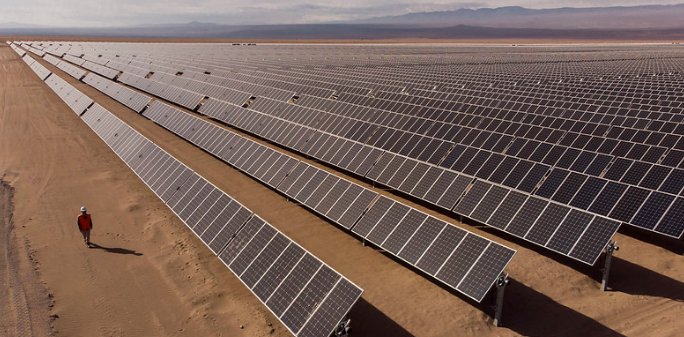
El documento también plantea que el aporte de las tecnologías ERNC «no permitiría mitigar en su totalidad el problema de estrechez de generación, por cuanto la generación solar disminuye o es nula en el horario de mayor escasez de oferta de generación del SEN (18:00 – 22:00) y la generación eólica no siempre se encuentra presente en los horarios de punta del sistema», por lo que se afirma la necesidad de «seguir avanzando en la estrategia de flexibilidad considerando el escenario actual que vive el sistema y que propicie el desarrollo de nueva capacidad (convencional y de almacenamiento) que pueda proveer generación de manera flexible».

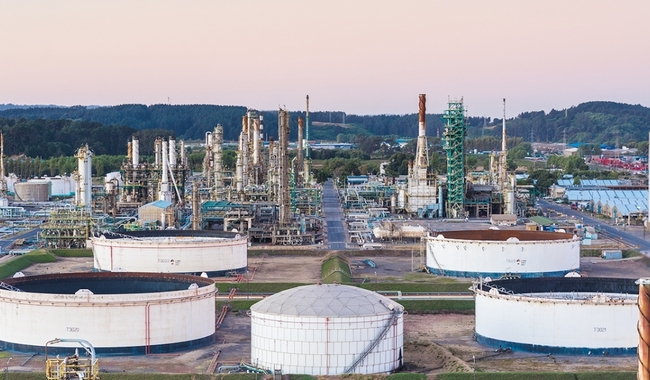
Y se agrega: «El GN y GNL asoma como una opción para subsanar la estrechez de generación que vive hoy el sistema, gracias a su rápida respuesta a los aumentos de demanda y sus bajas emisiones en comparación con otras tecnologías. Por ello, es importante que la autoridad entregue señales claras en torno a la legislación actual del GNL Inflexible, respetando a los diversos actores del sector».
Ver Reporte pinchando aquí

Source: Electricidad Magazine

“It is essential that the CEN continues to promote safe operation measures and continues to work on increasing the tools to address the variability of renewable generation,” says the monthly report of the consultant.

“The SEN generation tightness will pass as the unavailable plants return to operation and the infrastructure currently under construction is integrated. In this regard, Decree Decree N°51 will contribute positively to improve the situation of the electric system. As for the future, it is expected that in scenarios of low hydro availability and with an accelerated decarbonization plan, the capacity that will be incorporated to the SEN will not be able to appease the generation tightness margins during off-peak hours (19:00-22:00), leaving the system vulnerable to untimely failures. Therefore, it is essential that the CEN continues to promote safe operation measures and continue working on increasing the tools to address the variability of renewable generation”.

This is according to the monthly report of Systep Ingeniería which analyzes the scope of the preventive decree of the Ministry of Energy, pointing out that the current situation in the electricity system could improve if measures are taken to increase the availability of power plants.

“For example, the reincorporation of the Ventanas 1 thermoelectric plant proposed by the National Electric Coordinator (CEN), which was in strategic reserve status, is a measure along these lines, as it will contribute to base generation. Consequently, it is necessary that the withdrawal of coal-fired power plants be gradual, always considering the necessary backups to ensure the reliability of the system (safety and sufficiency). Otherwise, the system could be under stress in scenarios of water scarcity such as the current one, especially if 4,621 MW of installed coal capacity are withdrawn from service by 2025, as indicated in a Bill under discussion in Congress”, it is pointed out.

The document also states that the contribution of NCRE technologies “would not allow mitigating in its entirety the problem of generation shortage, since solar generation decreases or is null during the hours of greatest shortage of generation supply of the SEN (18:00 – 22:00) and wind generation is not always present in the peak hours of the system”, thus stating the need “to continue advancing in the strategy of flexibility considering the current scenario of the system and favoring a more flexible system”:00) and wind generation is not always present during the system’s peak hours”, so the need to “continue advancing in the flexibility strategy considering the current scenario experienced by the system and that favors the development of new capacity (conventional and storage) that can provide generation in a flexible manner” is affirmed.

And it is added: “NG and LNG appear as an option to remedy the tightness of generation that the system is experiencing today, thanks to its rapid response to increases in demand and its low emissions compared to other technologies. For this reason, it is important that the authority gives clear signals regarding the current Inflexible LNG legislation, respecting the different actors in the sector”.

View Report by clicking here

Go to Top